
Science and Magic
What determines Reality?

When I was growing up in the ‘80s and ‘90s, technology was changing at an incredible pace. These days, it is moving faster but my childhood was the temporal bridge between the analog and digital worlds. I remember reading an article in the ‘80s that was predicting that all appliances, including toasters and blenders, would eventually have a microchip inside. I also remember thinking this was silly. Why would anyone need a microchip in their toaster? With smart everything these days, I still sometimes find myself asking the same question.
We live in an increasingly connected, rational, and proof based reality. This has some positive aspects of course, as it allows for less ambiguity and maybe less ignorance (at least in theory). Religions of the world have forever used people’s adherence to ritual and morality as a method of control. What if we have also lost something along the way? What if the reason we no longer have ‘real’ magic is because of this very rationalized way of living?
The irony here is that the underlying requirement of any shared or consensual reality is a mutually-agreed-upon method of determining reality in the first place. In the last decade, we have seen the emergence of alternative news & facts being consumed by a significant sector of the population. More people are questioning scientific theory as the basis of reality.
Who gets to decide the basis of our Shared Reality?
The Alchemy of Magic
Alchemy has had a notorious reputation over the centuries. The churches of both Rome and England had various rules, bans, and punishments associated with it’s practice. Sir Issac Newton himself was in fact a self proclaimed Alchemist and much of his writing was, by modern standards, unscientific. The practice of Alchemy was deemed occult and therefore said to involve magic and witchcraft.
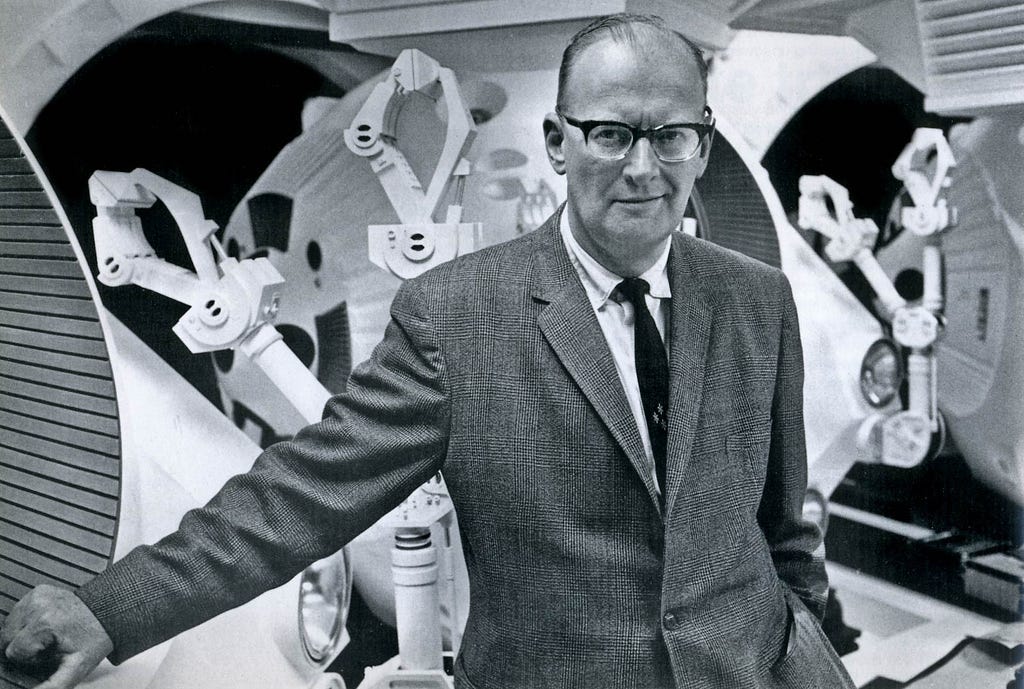
In the modern world, Arthur C. Clarke quite eloquently stated one aspect of the perception of magic in his Three Laws:
When a distinguished but elderly scientist states that something is possible, he is almost certainly right. When he states that something is impossible, he is very probably wrong.
The only way of discovering the limits of the possible is to venture a little way past them into the impossible.
Any sufficiently advanced technology is indistinguishable from magic.
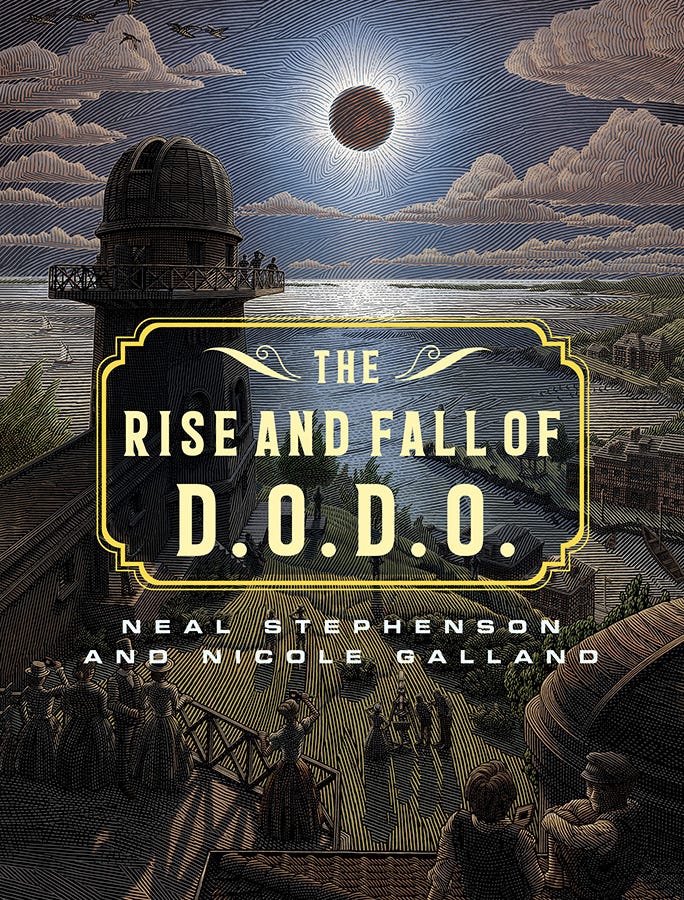
In The Rise and Fall of D.O.D.O. Stephenson and Gallow talk about the end of Magic in the world corresponding with the first global shared reality - the first time an astronomical event was photographed and widely published. In the story, before this event ‘Witches’ were capable of stringing different parallel timelines together to create new ‘Realities.’
When we acknowledge that we each have our own slightly different perception of the world, and the way it works, we create Individualized Reality. When this is the commonly held belief of the majority of conscious beings, there is more mystery in the world.
The idea here is that individual reality creates the possibility of Magic. Many people also feel that this kind of reality holds more space for distrust, misunderstanding, and hatred due to ignorance. While this may be true, the more we adhere to the demand for shared and predictable outcomes the harder it is to allow for Mystery. If we can suspend our disbelief and imagine Science, Divinity, and Magic occupying the same space, we have what Baruch Spinoza referred to as Pantheism. In our current cultural parlance, this is like using the term ‘Universe’ to describe Divinity or Mystery. This is a world that self creates, including the Creator itself. All is one thing. This is the core theoretical underpinning of Daoism.
The Dao that Can be Known
Tao Te Ching - Lao Tzu - chapter 1
The Tao that can be told is not the eternal Tao.
The name that can be named is not the eternal name.
The nameless is the beginning of heaven and earth.
The named is the mother of ten thousand things.
Ever desireless, one can see the mystery.
Ever desiring, one can see the manifestations.
These two spring from the same source but differ in name;
this appears as darkness.
Darkness within darkness.
The gate to all mystery.
One of the most difficult things for me to process, as a child of rationalists, is the concept of Faith. To believe in something so whole-heartedly that there is no room for doubt has always been alien to my intellectual mind. When I began to study Daoism however, I noticed the connections between it and the sciences I studied in my youth.
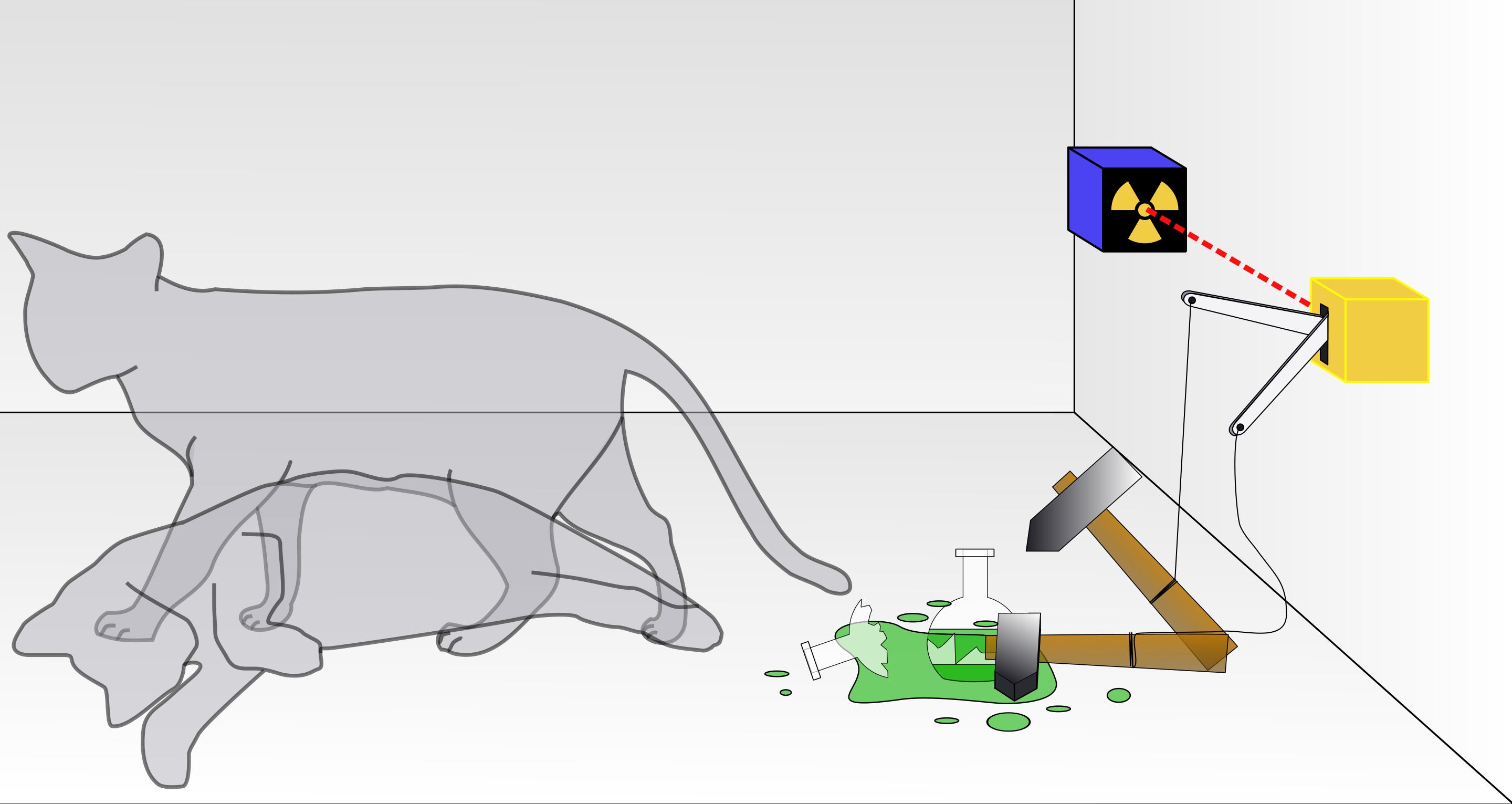
Some of you may know about the thought experiment called Schrödinger's cat. Without going into alot of detail the gist of it is this - there is a cat in a box that might be dead or alive. If you do anything to observe the cat, it kills the cat. How do you know if it is dead or alive?
Another example here is the thought experiment about a tree falling in the forest. It goes something like this: “If a tree falls in the forest and there is no one there to hear it fall, does it make a sound?”
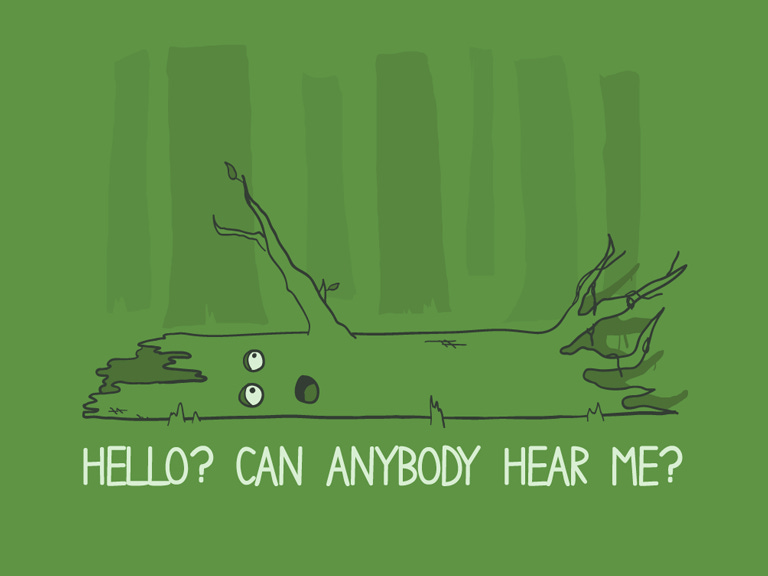
Both of these examples raise an interesting question. Does our perception of the world essentially change it?
Imagination as a Basis for Reality
I have always had an active imagination - seeing the connections between seemingly disparate theoretical frameworks, engaging in visioning and meditation as a way of creating the reality I want. I also am very good at creating what I do not want through obsession, negativity, and distrust of the other.
I believe that each of us has the capacity to create something in the world that did not previously exist.
Let’s make some Magic.
Sit somewhere quiet, or lay in bed awaiting sleep. What do you find yourself longing for? What have you been trying to create in your life but are struggling to realize? Breathe into the images, noticing what comes forward. What do you fear most? Having what you want or having it denied to you? Try this every day for a week, and observe how your vision changes.

Well I personally believe in magic, often more than science. I love the way you present realities. It makes me feel like there is a place to be myself instead of being part of a collective reality that often feels disonant with the truth of who I am.